Models & Technical Specifications
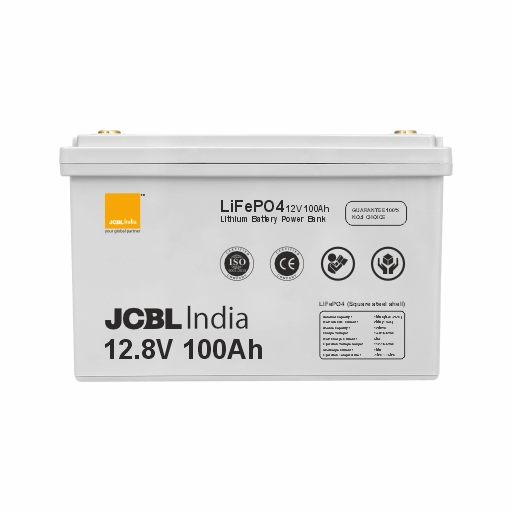
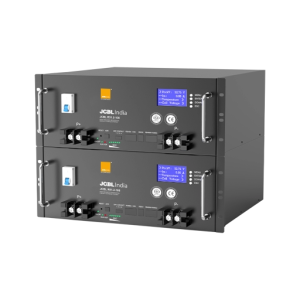
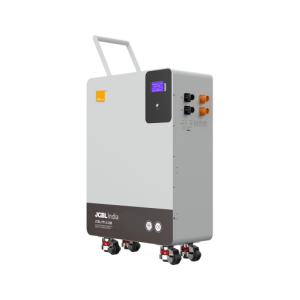
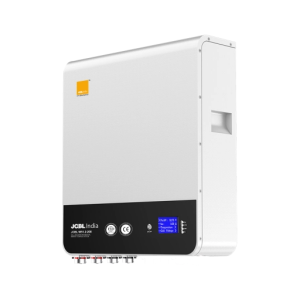
Explore the available battery models and detailed technical specifications to identify the right configuration for your application. This section provides clear performance and electrical parameters for informed selection and system integration.
| Parameter |
12.8V 100Ah |
12.8V 200Ah |
12.8V 300Ah |
25.6V 100Ah |
| Battery Type |
LiFePO4 |
LiFePO4 |
LiFePO4 |
LiFePO4 |
| Normal Battery Model |
12.8V100AH |
12.8V200AH |
12.8V300AH |
25.6V100AH |
| Normal Capacity (Wh) |
1280 Wh |
2560 Wh |
3840 Wh |
2560 Wh |
| Voltage Window (Vdc) |
11.2 ~ 14.6V |
11.2 ~ 14.6V |
11.2 ~ 14.6V |
22.4 ~ 29.2V |
| Float Charge Voltage (Vdc) |
14.0V |
14.0V |
14.0V |
28.0V |
| Max Continuous Discharge Current |
100A |
200A |
300A |
100A |
| Max Pulse Discharge Current |
200A (1 Sec) |
300A (1 Sec) |
300A (1 Sec) |
200A (1 Sec) |
| Max Continuous Charge Current |
50A |
100A |
100A |
50A |
| Cycle Life (25℃, 0.2C, 100% DoD) |
6000 Cycles |
| Terminal |
MB |
| Storage Temperature |
0℃ ~ 30℃ |
| Storage Duration |
6 Months at 25℃ |
| Safety Standard |
MSDS |
| IP Degree |
IP65 |
| Protection |
Overcharge, Over-discharge, Over-current, Short-circuit, Over-temperature Protection |
| Working Temperature |
-10℃ ~ +50℃ |
| Humidity |
0 ~ 95% (No Condensation) |
| Sea Level |
≤ 1500 m |
* Special Note: Tolerance for dimensions ±5mm. Specifications are subject to change without notice.
Description
These Lithium-Ion Backup Application Batteries are engineered as a reliable, high-performance replacement for VRLA AGM and gel batteries used in backup and energy storage systems. Utilizing advanced LiFePO₄ cell chemistry, the batteries provide higher usable energy, consistent power output, and extended service life compared to conventional lead-acid technologies.
The integrated Battery Management System continuously monitors voltage, current, and temperature parameters to ensure safe operation and long-term reliability. With a compact, lightweight, and maintenance-free design, these batteries are well-suited for both new installations and system upgrades across commercial, industrial, and renewable energy applications.
Battery Design Characteristics
The battery is built using advanced LiFePO₄ cell chemistry, offering high thermal stability, consistent voltage output, and long cycle life. Its lightweight, compact construction enables efficient space utilization while reducing overall system weight. An integrated intelligent Battery Management System continuously monitors voltage, current, and temperature to ensure safe and reliable operation.
The robust enclosure with IP65 protection safeguards the battery against dust and water ingress, making it suitable for both indoor and outdoor installations. Designed for modular scalability, the battery supports series and parallel configurations for flexible system expansion.
Applications
Lithium-ion backup application batteries have a wide array of use cases. Some of them include:
- Uninterruptible Power Supply (UPS) systems
- Telecom and backup power solutions
- RVs, mobile power, and camping systems
- Golf carts and electric utility vehicles
- Solar photovoltaic and energy storage systems
- Solar street lighting and off-grid installations
Quality, Safety & Compliance
The battery is designed to meet high standards of quality, safety, and reliability through the use of proven LiFePO₄ cell chemistry and an integrated Battery Management System. Multiple protection functions safeguard against over-charge, over-discharge, over-current, short-circuit, and over-temperature conditions during operation.
Each battery is manufactured under controlled quality processes and supplied with relevant safety documentation, including MSDS. The lead-free, sealed construction supports safe handling and reduced environmental impact, making it suitable for use across a wide range of backup and energy storage applications.
How to Choose the Right Battery for Your Needs
When selecting a lithium-ion battery as a replacement for VRLA, AGM, or gel batteries, consider the following factors:
- Required system voltage and energy capacity based on load and backup duration
- Discharge current requirements for continuous and peak operating conditions
- Physical dimensions and terminal configuration for compatibility with existing systems
- Operating environment, including temperature range and installation conditions
- System scalability and quantity requirements for commercial, industrial, or export applications
Selecting the appropriate specification helps ensure reliable backup performance, extended service life, and simplified system integration, which is particularly important for large-scale deployments and VRLA replacement projects.


Reviews
There are no reviews yet.