

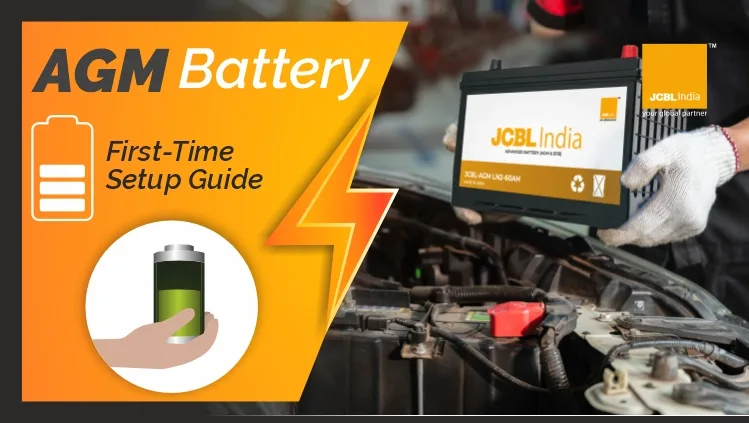
To activate the AGM battery, first confirm whether it is factory-sealed or dry-charged. If activation is required, carefully add the supplied electrolyte, allow the battery to rest for 30–60 minutes so the acid fully absorbs into the glass mat separators, seal it securely, and inspect for leaks before installation. Always follow the manufacturer’s instructions to protect performance and warranty.
Absorbent Glass Mat (AGM) batteries are widely used in automotive, commercial vehicles, backup power systems, and start-stop applications because of their sealed, spill-resistant design and superior vibration resistance. While most modern AGM batteries are maintenance-free and pre-activated, certain dry-charged models require proper first-time setup before installation.
Incorrect activation can reduce battery life, compromise cranking performance, and void the manufacturer warranty, which is why following the correct procedure is critical.
When Is AGM Battery Activation Required?
AGM battery activation is required when:
- The battery is clearly labeled dry-charged
- An electrolyte pack is supplied in the box
- The battery is shipped without acid due to transportation safety regulations
- Manufacturer instructions specify activation
If your battery is marked “maintenance-free” and factory sealed, do not attempt to open or activate it.
Attempting to open a sealed AGM battery can permanently damage it and void the warranty.
Step-by-Step Guide to Activate an AGM Battery
Follow these steps carefully to activate the AGM battery safely and correctly.
- Confirm Battery Type
Ensure the battery is dry-charged. Never attempt to activate a factory-sealed AGM battery.
- Wear Proper Safety Equipment
Use:
- Acid-resistant gloves
- Safety goggles
- Protective clothing
- A well-ventilated workspace
Electrolyte contains sulfuric acid and must be handled responsibly.
- Position the Battery Upright
Place the battery on a stable, level surface. Do not tilt or shake during activation.
- Add the Supplied Electrolyte
Carefully align the electrolyte pack with the battery ports as instructed. Allow the acid to drain naturally; do not squeeze aggressively unless specified by the manufacturer.
Do not overfill.
- Allow Stabilization Time
Let the battery rest undisturbed for approximately 30–60 minutes. This allows the electrolyte to fully absorb into the absorbent glass mat separators inside the battery.
Skipping this step can reduce performance and lifespan.
- Seal the Battery
Install the sealing strip or caps firmly once filling is complete. After sealing, the battery becomes permanently closed.
- Inspect Before Installation
- Check for leaks
- Wipe any acid residue
- Ensure terminals are clean and dry
- Confirm the casing is undamaged
Some manufacturers recommend a light initial charge after activation to reach full rated capacity. Always follow product-specific guidelines.
What Does It Mean to Activate AGM Battery?
Activating an AGM battery means preparing a dry-charged battery for its first use by adding the correct electrolyte and allowing it to stabilize before installation.
It is important to understand that not all AGM batteries require activation. Proper identification of your battery type is also essential for correct AGM battery maintenance and storage, as handling requirements differ between sealed and dry-charged models.
There are two primary types:
- Factory-Sealed AGM Batteries
- Pre-filled with electrolyte
- Permanently sealed
- Typically precharged
- Do NOT require activation
- Dry-Charged AGM Batteries
- Shipped without electrolyte
- Acid pack supplied separately
- Require activation before use
Quick Comparison: Factory-Sealed vs Dry-Charged AGM Batteries
The following table highlights the key differences between factory-sealed and dry-charged AGM batteries:
| Feature | Factory-Sealed AGM | Dry-Charged AGM |
| Electrolyte Included | Yes | No |
| Activation Required | No | Yes |
| Ready for Installation | Yes | After Setup |
| Risk of Handling Acid | No | Yes |
IMPORTANT: Always verify your battery label or manufacturer manual before proceeding. Understanding your battery type helps prevent improper handling and ensures safe activation, installation, and long-term performance.
Common AGM Battery Activation Mistakes to Avoid
Avoid these frequent errors:
- Using third-party or incorrect electrolyte
- Overfilling cells
- Tilting the battery during filling
- Rushing the absorption period
- Attempting to open a sealed AGM battery
- Ignoring manufacturer instructions
Improper activation may result in:
- Reduced cold cranking performance
- Shortened service life
- Internal plate damage
- Warranty rejection
After-Activation Care and Inspection
After activation:
- Allow the battery to stabilize fully
- Clean off any spilled electrolyte
- Check terminal tightness
- Ensure proper mounting to prevent vibration damage
- Verify voltage if recommended by the manufacturer
Correct early handling significantly improves AGM battery durability and operational stability.
AGM Battery Care Tips for Long-Term Performance:
To maintain optimal efficiency and durability, consider the following AGM battery care tips:
- Avoid deep discharges whenever possible, as frequent deep cycling reduces lifespan
- Use a compatible AGM charger if charging is required
- Keep terminals clean and corrosion-free
- Ensure proper ventilation during installation
- Secure the battery firmly to minimize vibration stress
- Avoid exposure to extreme heat, which accelerates internal wear
Unlike conventional flooded batteries, AGM batteries are maintenance-free and do not require water top-ups. However, proper charging practices and correct installation are essential to preserve performance.
Correct post-activation care significantly improves AGM battery durability, starting reliability, and overall operational stability.
Safety Guidelines and Warranty Considerations
AGM battery electrolyte contains sulfuric acid, which is corrosive and can cause serious injury.
Safety Precautions:
- Always wear protective gloves and eye protection
- Avoid skin and eye contact
- Keep away from sparks or open flames
- Do not smoke near the battery
- Work in a ventilated area
Warranty Considerations:
- Improper activation may void the warranty.
- Opening sealed AGM batteries voids coverage
- Using unauthorized electrolyte may result in claim rejection
- Always retain proof of purchase and follow official instructions
For commercial or high-value applications, professional installation is often recommended to ensure compliance.
When Should You Seek Professional Help?
Seek professional assistance if:
- You are unsure whether your AGM battery requires activation
- The casing appears cracked or damaged
- You notice electrolyte leakage
- You are concerned about warranty coverage
- You do not have proper protective equipment
Authorized service centers can ensure correct activation and safe installation.
Conclusion
Activating an AGM battery correctly is essential for ensuring long-term performance, safety, and reliability. While most factory-sealed AGM batteries are ready to install, dry-charged models require careful electrolyte filling, stabilization time, and proper sealing before use. Skipping steps or mishandling the process can reduce battery life, impact performance, and even void warranty coverage.
By understanding your battery type and following manufacturer-recommended procedures, you can ensure optimal efficiency, dependable starting power, and extended service life from your AGM battery.
No. Most modern AGM batteries are factory-sealed and pre-activated. Only dry-charged AGM batteries require activation.
Yes, if it is dry-charged and you follow manufacturer instructions carefully with proper safety precautions.
The activation process typically takes 30–60 minutes for electrolyte absorption before sealing.
Yes. AGM battery electrolyte contains sulfuric acid, which can cause burns or eye injury. Always use protective equipment.
Some manufacturers recommend a light initial charge to ensure full capacity. Always follow product-specific instructions.
Yes. Incorrect activation, tampering, or using improper electrolyte can void the warranty.